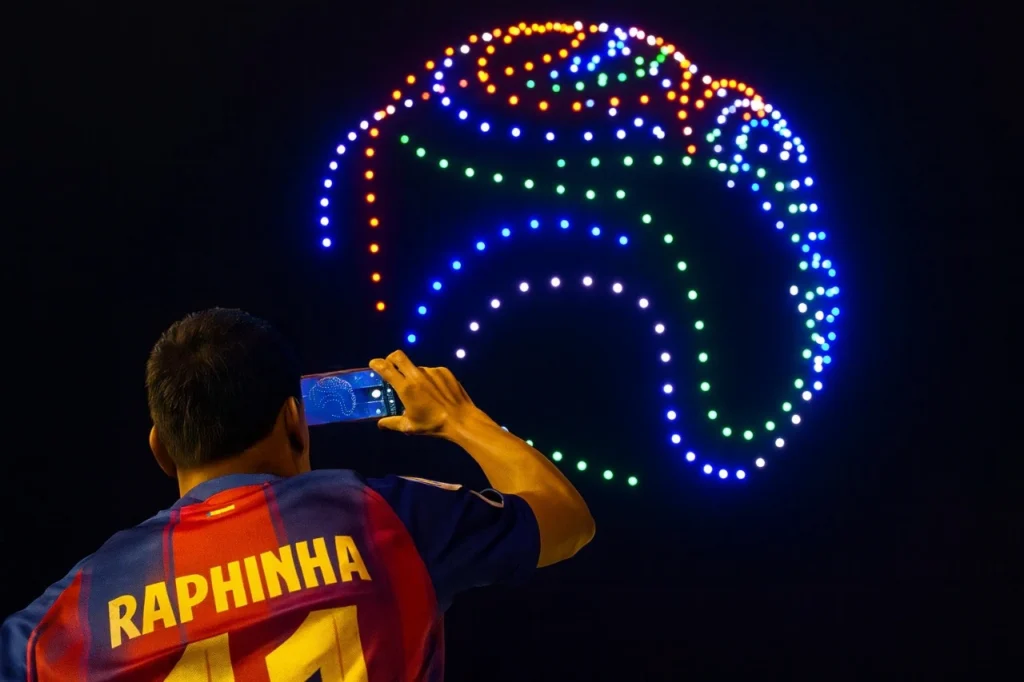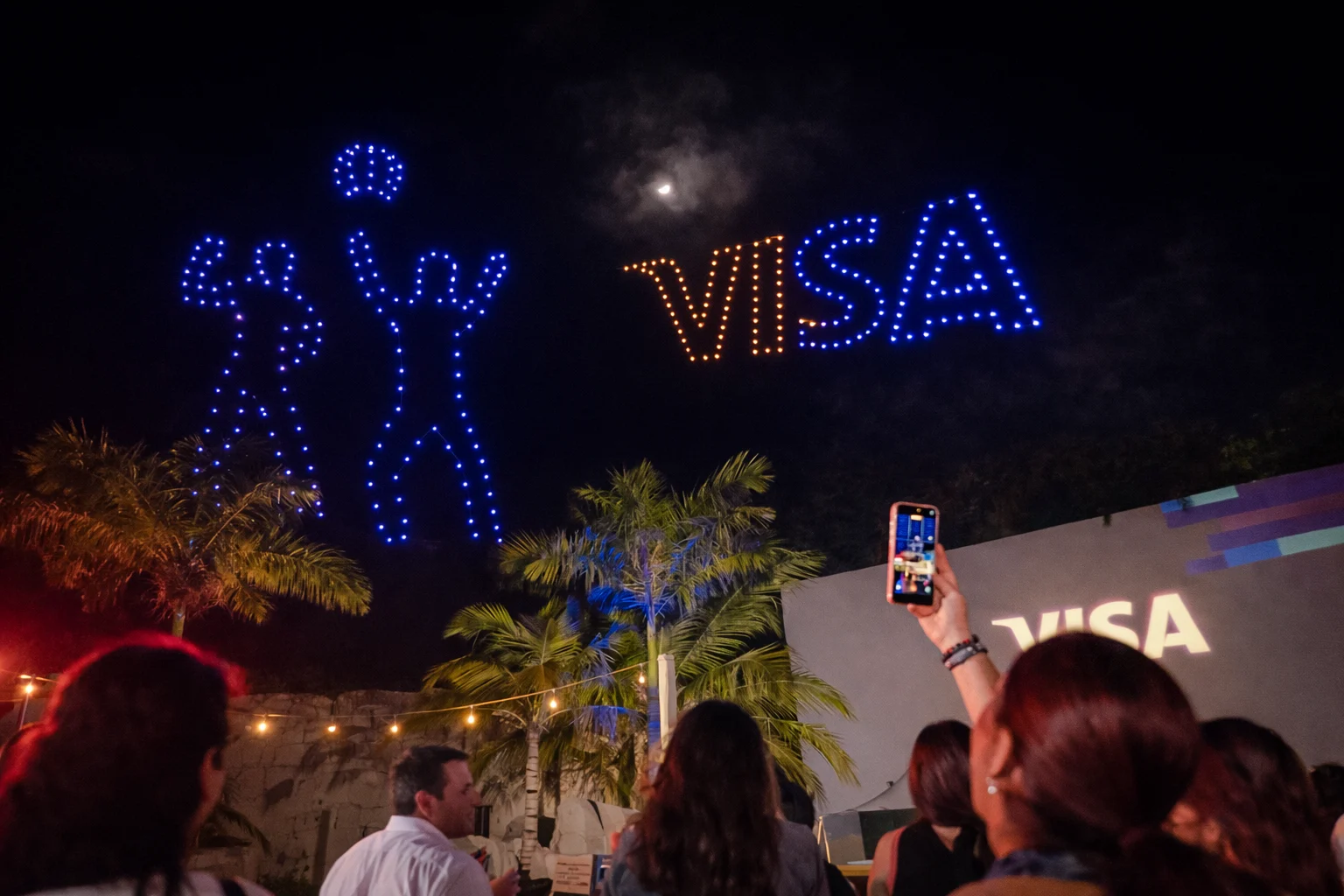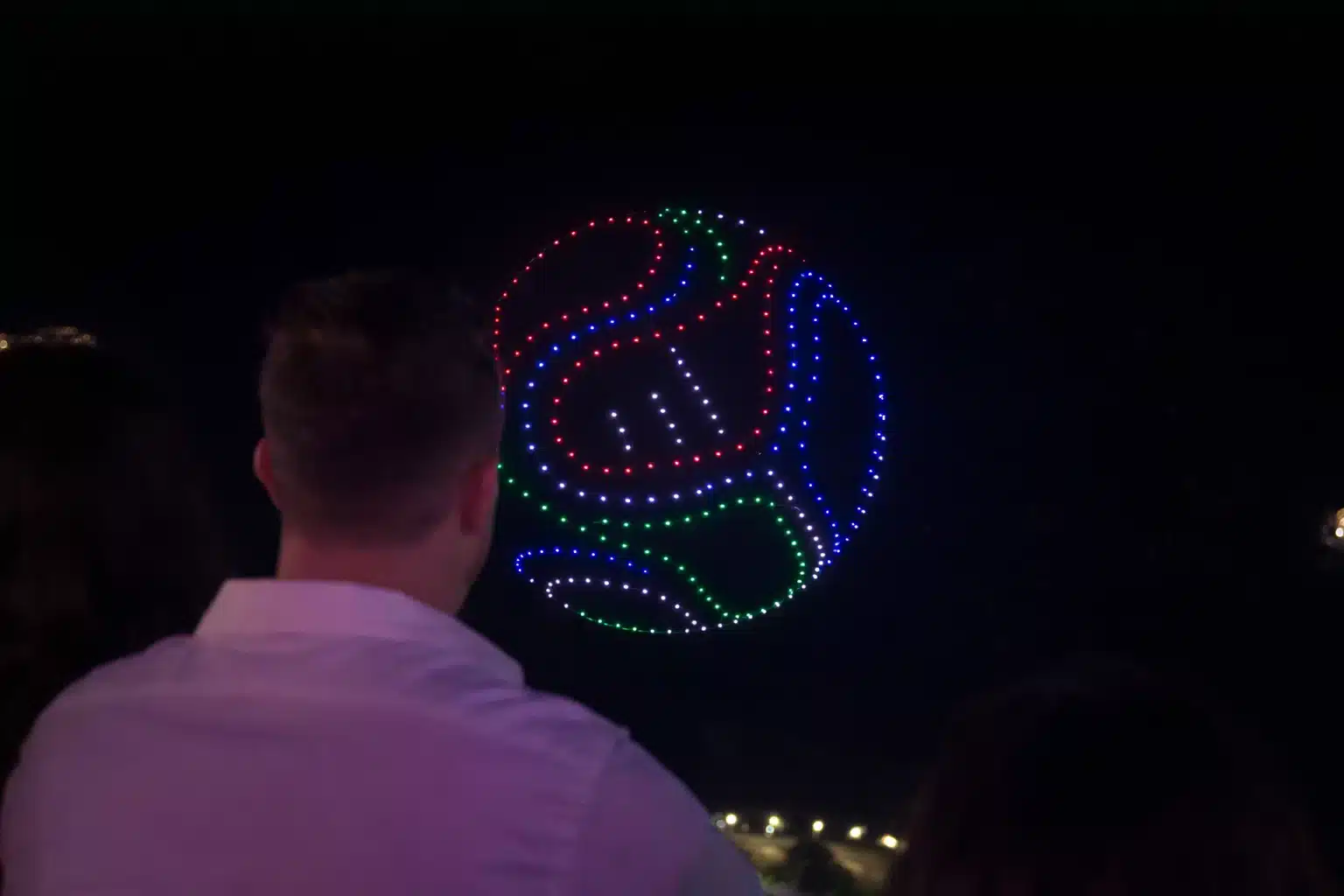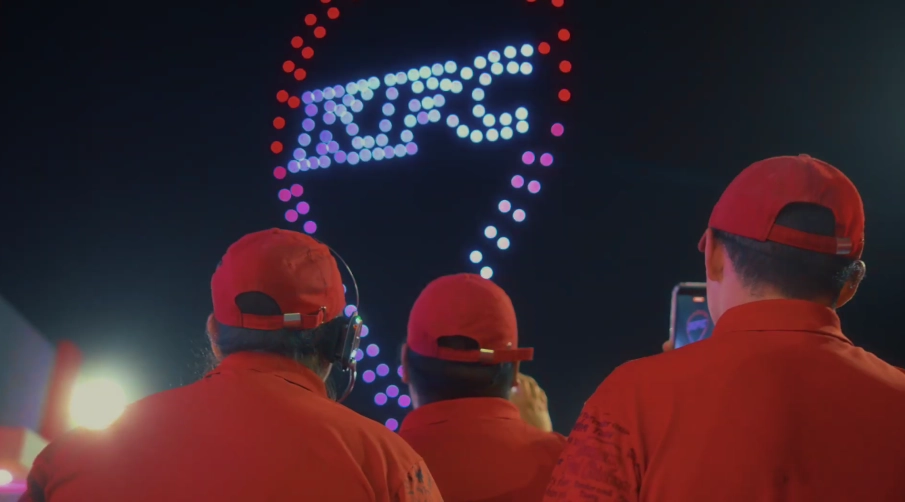
There are only a few months to go before the ball rolls at the Azteca Stadium and the expectation is not only on the pitch, but also in the sky. If previous events in venues such as Miami and Mexico City have taught us anything, it is that FIFA is ready to retire the traditional fireworks. But are we really facing the end of pyrotechnics as we know them?
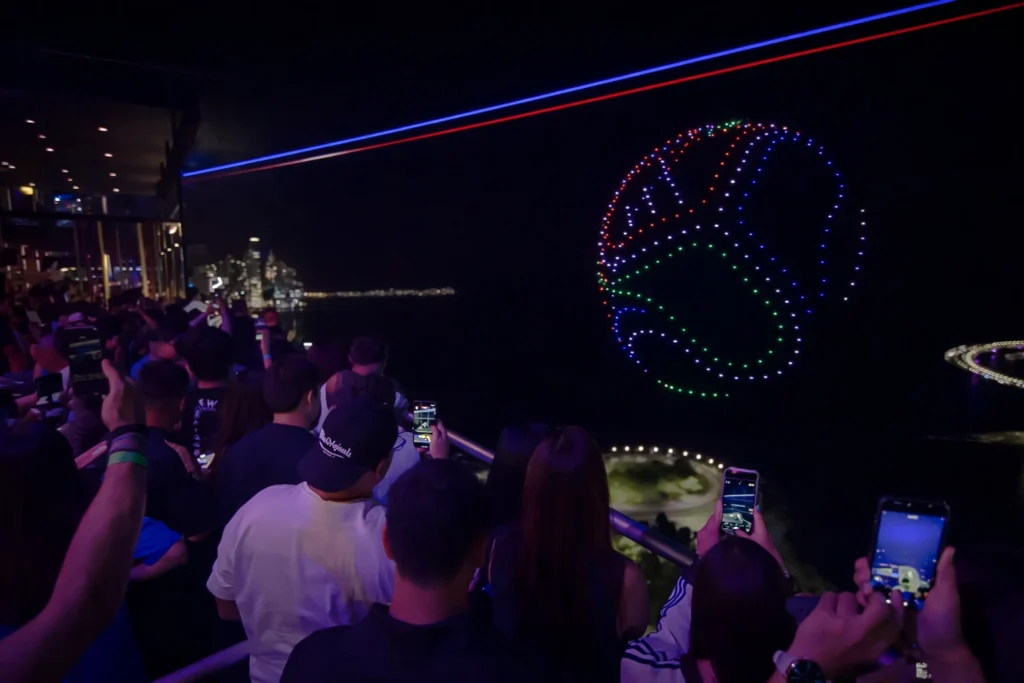
The short answer is: technology. The World Cup 2026 drone show is shaping up to be the most ambitious aerial display in history, replacing the roar of gunpowder with the choreographed precision of thousands of synchronized LED lights.
Why drones are the new protagonists of the World Cup 2026
Traditionally, World Cup openings closed with an explosion of color and smoke. However, for this trilateral edition (Mexico, USA and Canada), the rules have changed. Sustainability is the focus, and cities like Vancouver and Seattle have extremely strict noise regulations to protect local wildlife and reduce the carbon footprint.
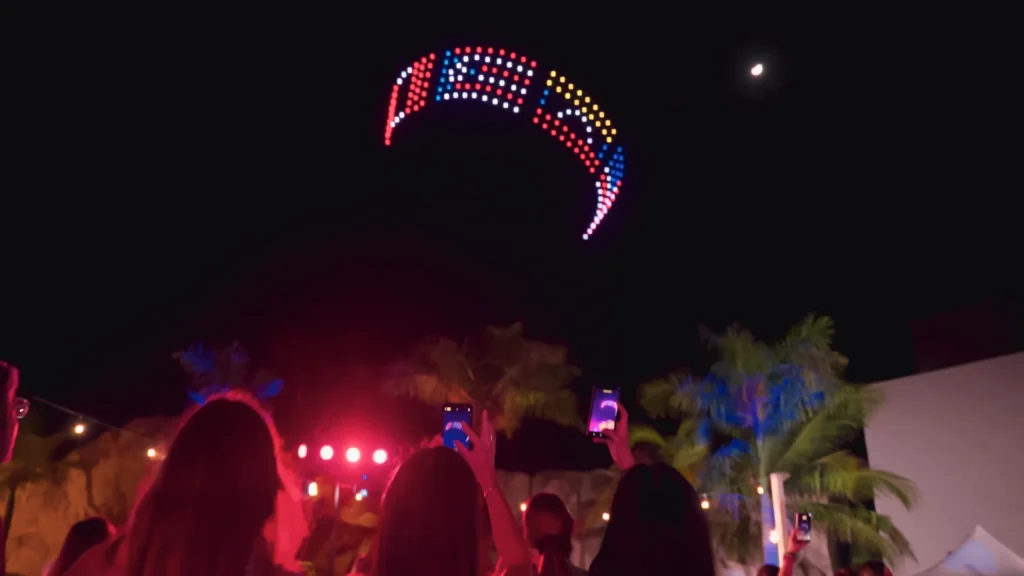
This is where the World Cup 2026 drone show comes in. Unlike rockets, drones leave no chemical residue in the air and allow for visual storytelling impossible to achieve with explosions. Imagine seeing the World Cup trophy formed by 5,000 points of light, rotating in 3D over the sky of Mexico City, while transforming into the flags of the 48 participating countries. Doesn’t this sound much more exciting than just a light bursting and fading?
Shielding the sky: Aviation safety and “hunter” drones
But it’s not all about aesthetics and colored lights. The deployment of aerial technology has an equally fascinating B-side: security. With a confirmed investment of more than $115 million in defense technology, the stadiums’ airspace will be more closely guarded than ever.
The concern is real: what happens if an unauthorized drone tries to fly over a stadium full of people? To prevent this, the organization has contracted with leading companies such as Fortem Technologies, which will deploy interceptor drones. These devices are capable of “hunting” intruder drones by launching nets, avoiding the use of signal jammers that could interfere with stadium communications.
Key Fact: During the World Cup, permanent “No-Fly Zones” (no-fly zones) will be established around the 16 stadiums. Flying a personal drone near a match could cost you astronomical fines or even federal legal trouble.
Drones or Cold Pyrotechnics? The perfect hybrid
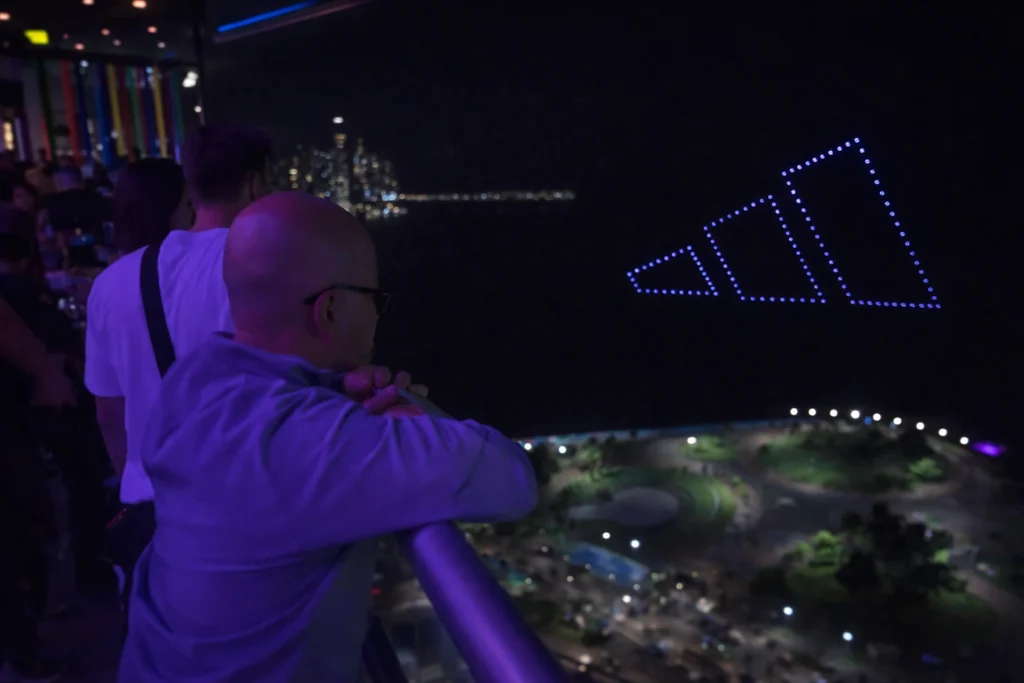
While the 2026 World Cup drone show will be the center of attention, it is likely that we will not see the total disappearance of physical visual effects. The trend for the opening and closing ceremonies points toward “Cool Pyrotechnics” and high-powered lasers.
This combination allows the drones to carry small pyrotechnic devices that do not generate heat or fire, creating a controlled “rain of stars” effect synchronized with the movement of the swarms. It is the perfect blend of the nostalgia of fire and the precision of robotics. Do you think this hybrid format will be able to convey the same passion as the fireworks of yesteryear?
What to expect from the inauguration at the Azteca Stadium?
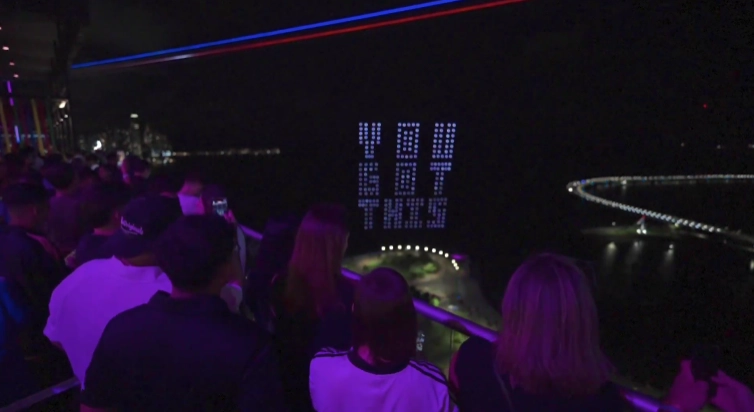
The Coloso de Santa Ursula will be the stage for the first big test. Rumor has it that FIFA is looking to break a Guinness World Record by simultaneously using more than 10,000 drones at the opening ceremony. The goal is clear: to visually surpass what was done at the Tokyo Olympics and the recent celebrations in China.
In addition to the inauguration, Fan Fests in cities such as Monterrey, Guadalajara, Dallas and Toronto will feature daily nightly shows. This is not only entertainment; it is a strategy to avoid massive crowds at the exit of the games, keeping people entertained and safe in controlled areas.
A future that has already landed
The 2026 World Cup will not only mark a milestone in soccer in terms of the number of teams, but also in terms of how we consume the spectacle. The World Cup 2026 drone show is proof that technology and ecology can go hand in hand to create indelible memories. We are leaving behind the age of smoke for the age of aerial pixels.
Now that you know about the technology and the security deployment that will protect our skies, do you feel safer knowing that there will be a “drone police” watching every game?