The 4th of July in Florida has always been synonymous with heat, beach barbecues, and the booming echoes of fireworks reflecting off the Atlantic and the Gulf. But as we move through 2026, the skyline is starting to look a little different. If you’ve spent any time in Miami, Orlando, or Fort Lauderdale lately, you might have noticed that the traditional “big bangs” are being joined—or even replaced—by thousands of synchronized, glowing lights.
Drone light shows are no longer just a futuristic concept; they are the new standard for Independence Day in the Sunshine State. But what is driving this massive shift? Is it just about the “cool factor,” or is there something deeper happening in the way Florida celebrates?
The High-Tech Glow-Up of Independence Day
For decades, the 4th of July formula was simple: gunpowder, fuses, and loud noises. While classic, fireworks are essentially a “one-way” medium. You light them, they explode, and it’s over.
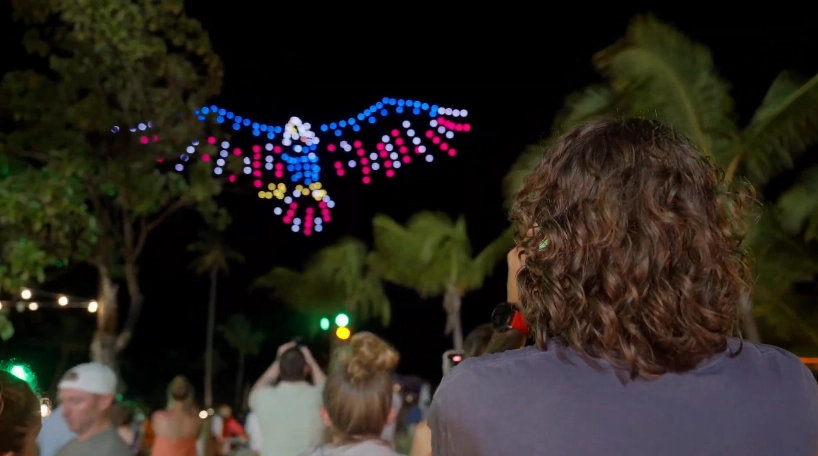
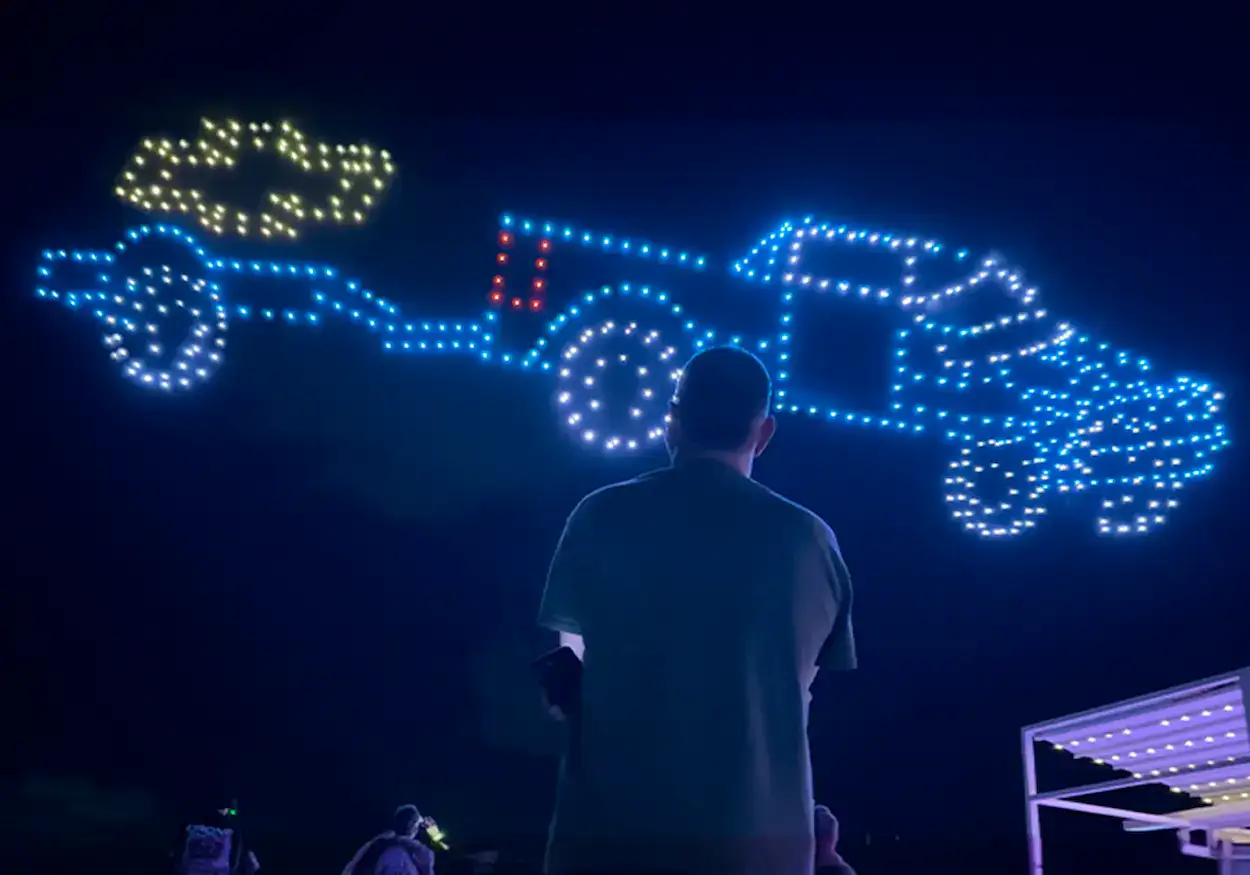
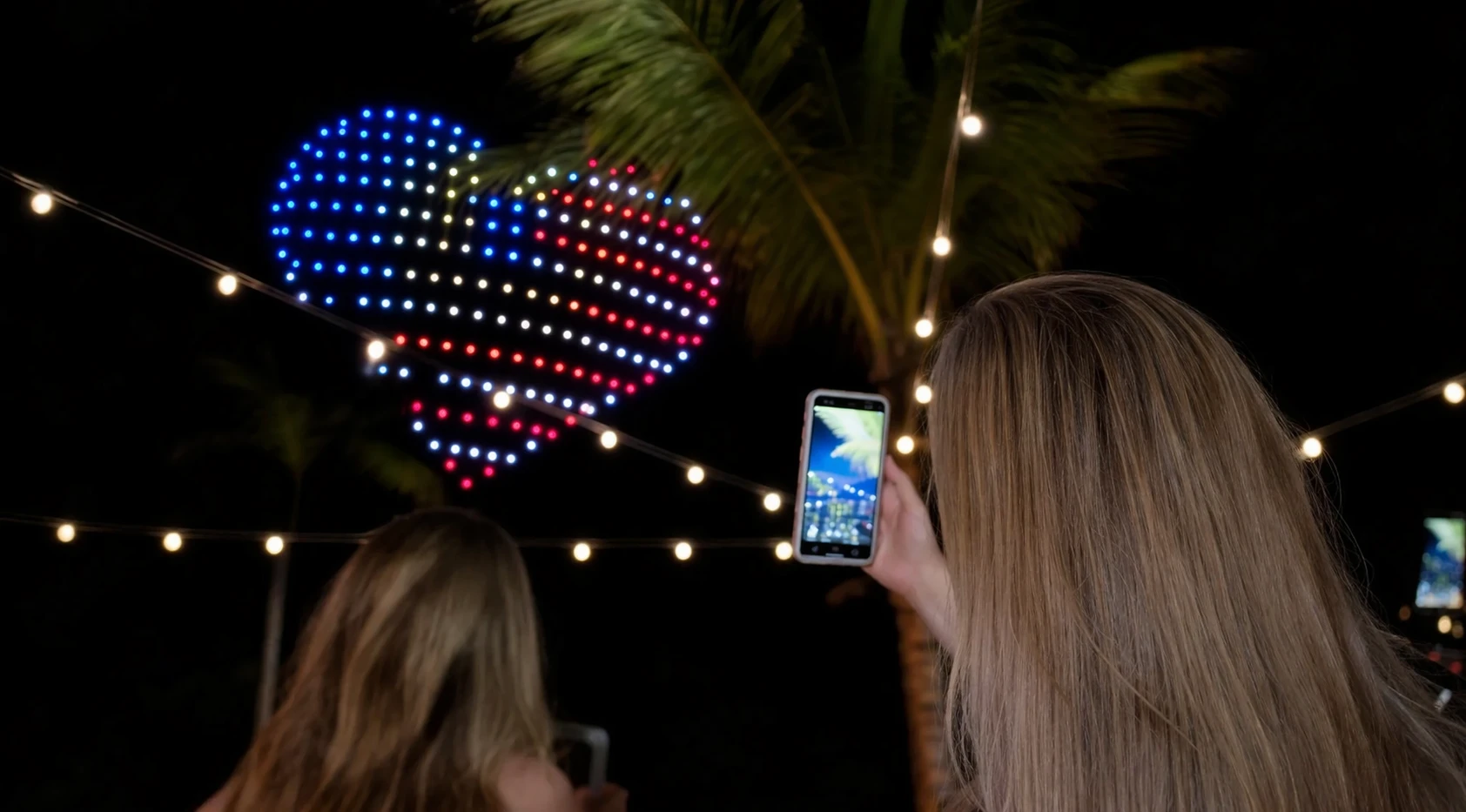
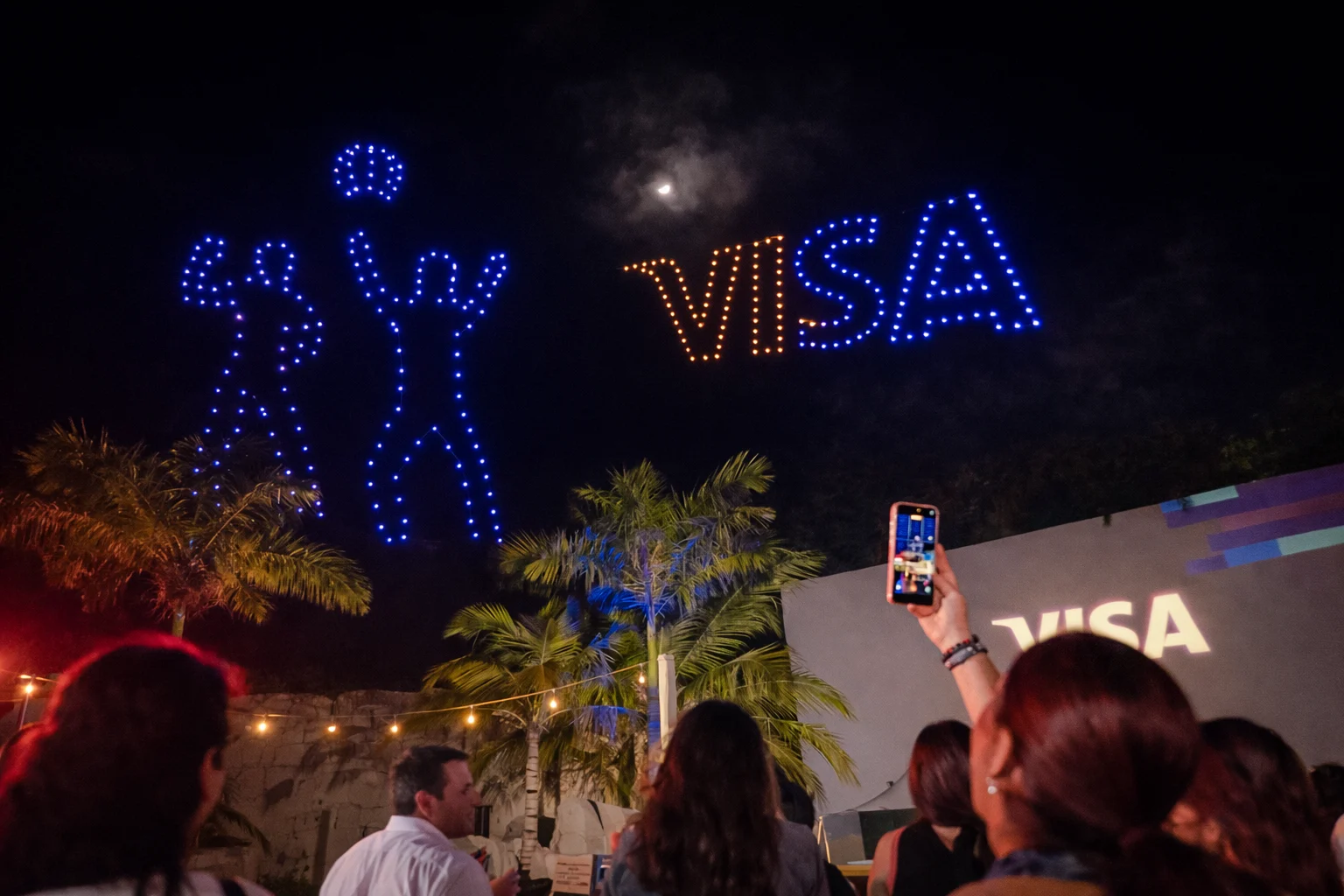
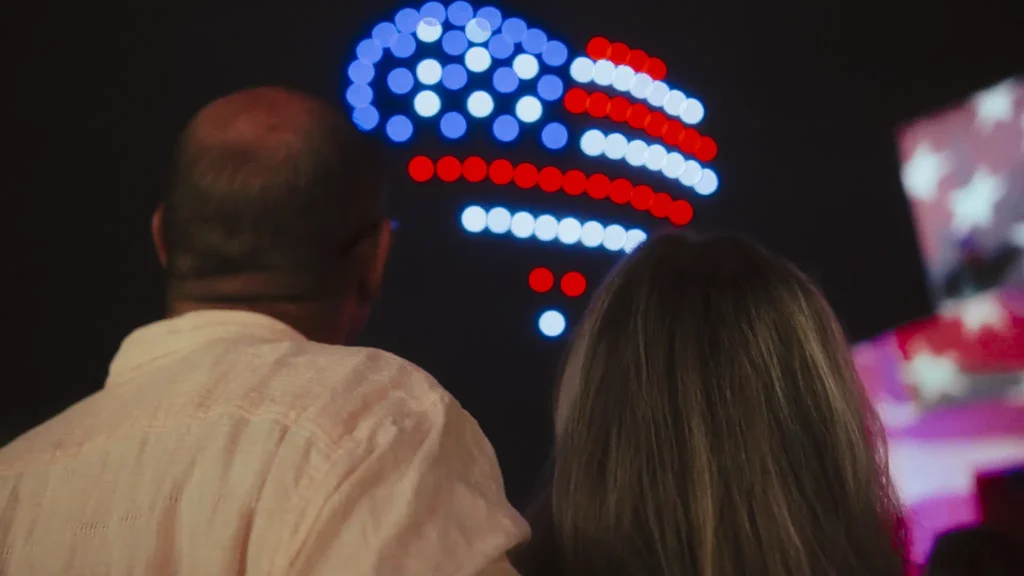
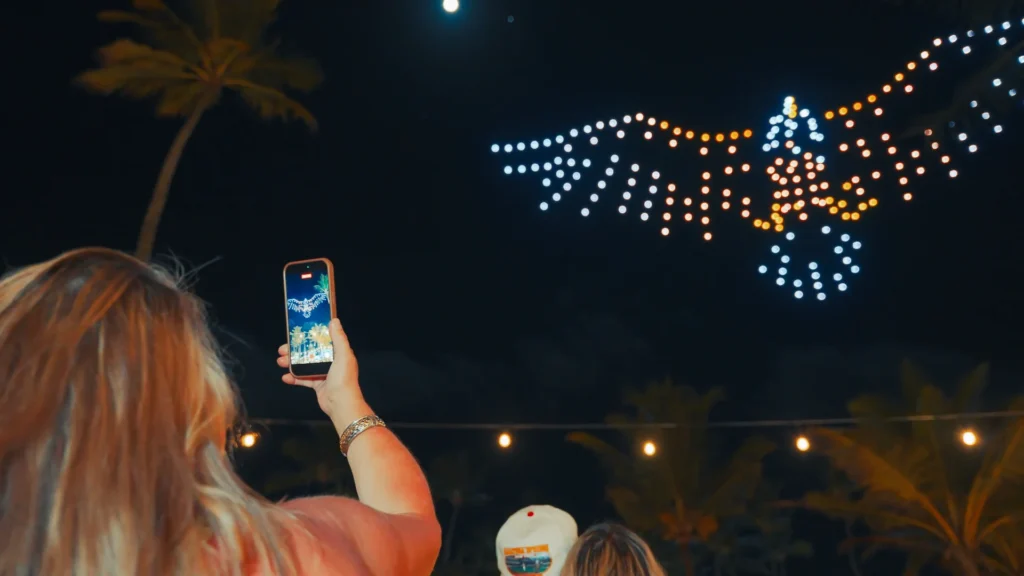
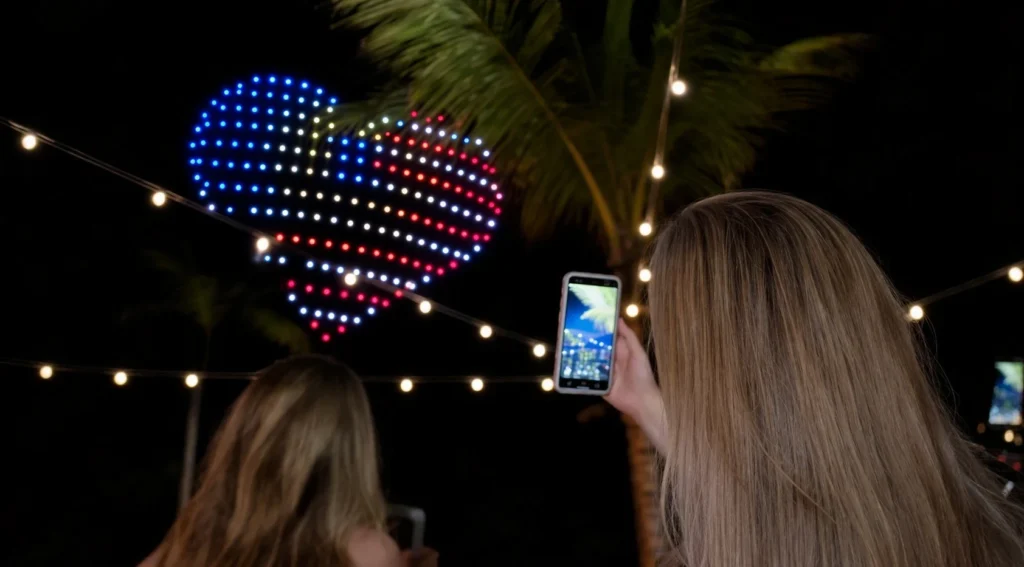
Drones, however, have turned the sky into a massive digital canvas. Imagine 500 or 1,000 drones rising in perfect formation to create a 3D moving American flag, a soaring bald eagle, or even a localized tribute to Florida’s coastal culture. The level of storytelling possible with a drone show is something traditional pyrotechnics simply can’t match.
Have you ever wondered how a fleet of drones can stay so perfectly aligned even with the Florida sea breeze? It’s a mix of advanced GPS technology and complex choreography that makes each show a unique work of art.
Why Florida Cities are Making the Switch
Florida’s unique environment makes it the perfect laboratory for this revolution. Several factors are pushing local municipalities to trade the torch for the remote control:
- Environmental Protection: Florida is home to incredibly delicate ecosystems. From the Everglades to our coastal nesting beaches, the chemical runoff and debris from traditional fireworks can be harmful to local wildlife. Drones offer a “leave no trace” alternative.
- Fire Safety: With the unpredictable dry spells we sometimes face in early July, the risk of brush fires is a constant concern for fire marshals. Drones eliminate the fire hazard entirely.
- Inclusivity and Comfort: Let’s be honest—the 4th of July can be a stressful time for veterans with PTSD, individuals with sensory sensitivities, and our pets. The silent nature of drone shows allows everyone to enjoy the spectacle without the jarring noise.
Does your local community still stick to tradition, or are you seeing more tech-integrated events in your area?
Logistics and Expertise: Behind the Florida Skies
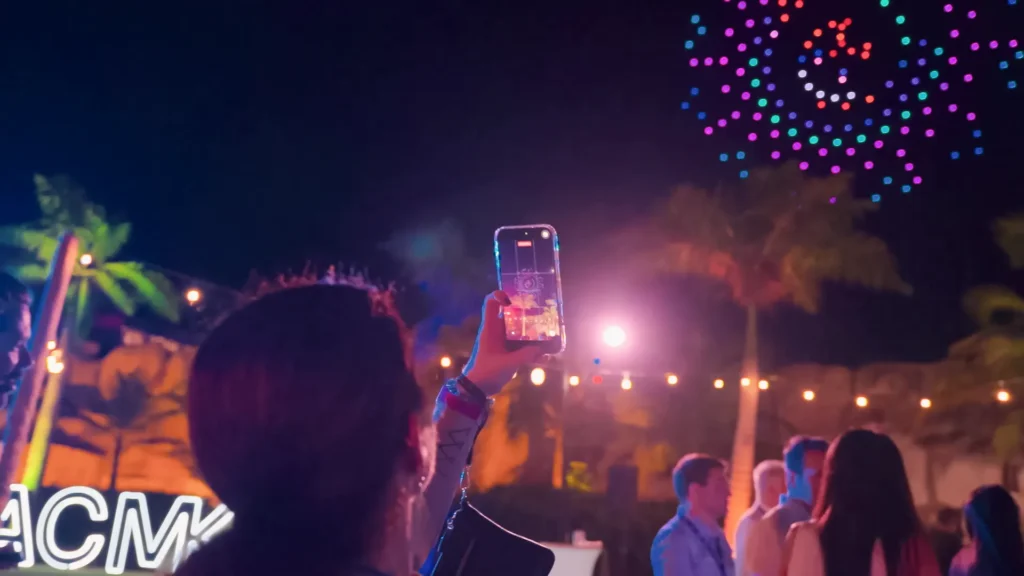
Organizing a drone show in Florida isn’t as simple as pressing a “play” button. It requires a deep understanding of local airspace and specific permits. Florida’s weather—notably those sudden afternoon thunderstorms—means flight teams must have extensive experience navigating tropical environments.
The successful shows we are seeing in 2026 are the result of months of planning, ensuring that the fleet can handle coastal winds while maintaining the integrity of the 3D animations. It’s a marriage of creative design and rigorous technical logistics.
Is the End of Fireworks Near?
We aren’t necessarily saying goodbye to fireworks forever. In many Florida cities, we are seeing “hybrid” shows—a mix of both worlds that creates a multi-layered sensory experience. However, the momentum is clearly shifting. As the technology becomes more accessible and the displays more intricate, the 4th of July is becoming as much about innovation as it is about tradition.
Florida is leading the charge, showing the rest of the country that you can honor history while embracing the future. The “Sunshine State” is quickly becoming the “Light Show State.”
As we look toward next year, what kind of formations would you love to see lighting up the Florida coast?