We are on the doorstep of the biggest sporting event ever seen in North America. However, in the midst of 2026, the conversation no longer revolves solely around who will lift the cup in New Jersey, but at what cost to the planet. With three host countries and miles between venues, the concept of a sustainable World Cup 2026 is no longer an option, but a requirement.
Between LEED-certified stadiums and mass transit plans, a question arises that (literally) lights up our expectations: Has the time come to say goodbye to traditional pyrotechnics and make way for drones?
Invisible cost of traditional fireworks
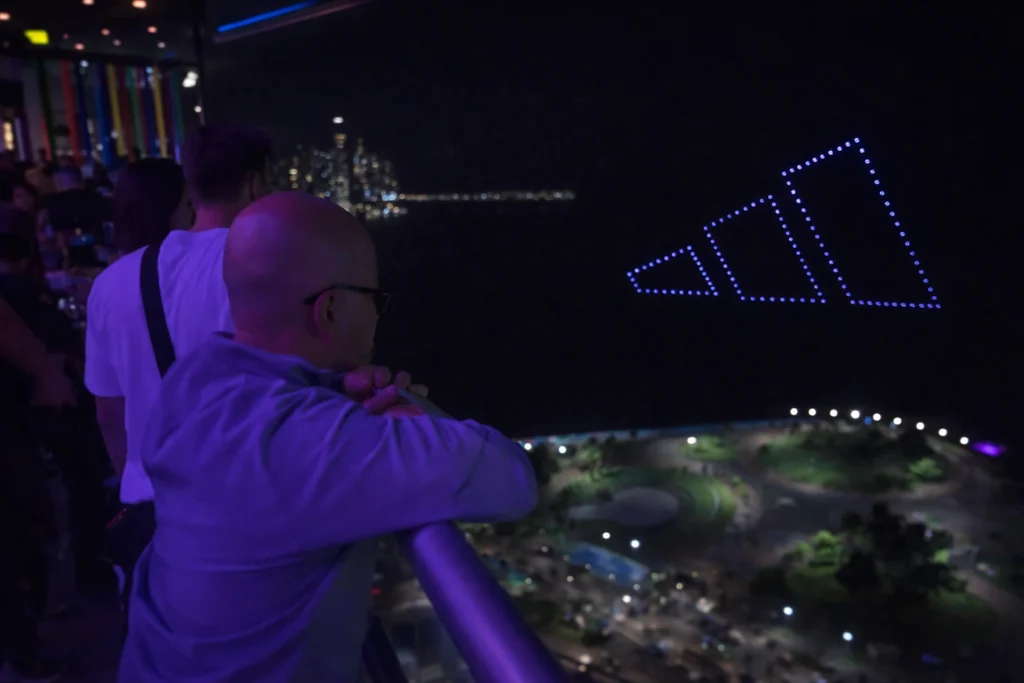
For decades, gunpowder was the queen of openings. But the reality is that fireworks leave a heavy legacy: clouds of metallic particles, perchlorate residues in the water and acoustic stress that affects both local wildlife and our pets. In venues with such protected ecosystems as Vancouver or Seattle, this impact is an issue that FIFA cannot ignore.
This is where the idea of a sustainable World Cup 2026 gains momentum. Drones offer a “zero waste” solution. They run on rechargeable batteries and do not emit polluting gases or generate trash after the show. But is the reduction in emissions enough to convince purists who miss the roar of a rocket?
LED technology: Massive art with minimal footprint
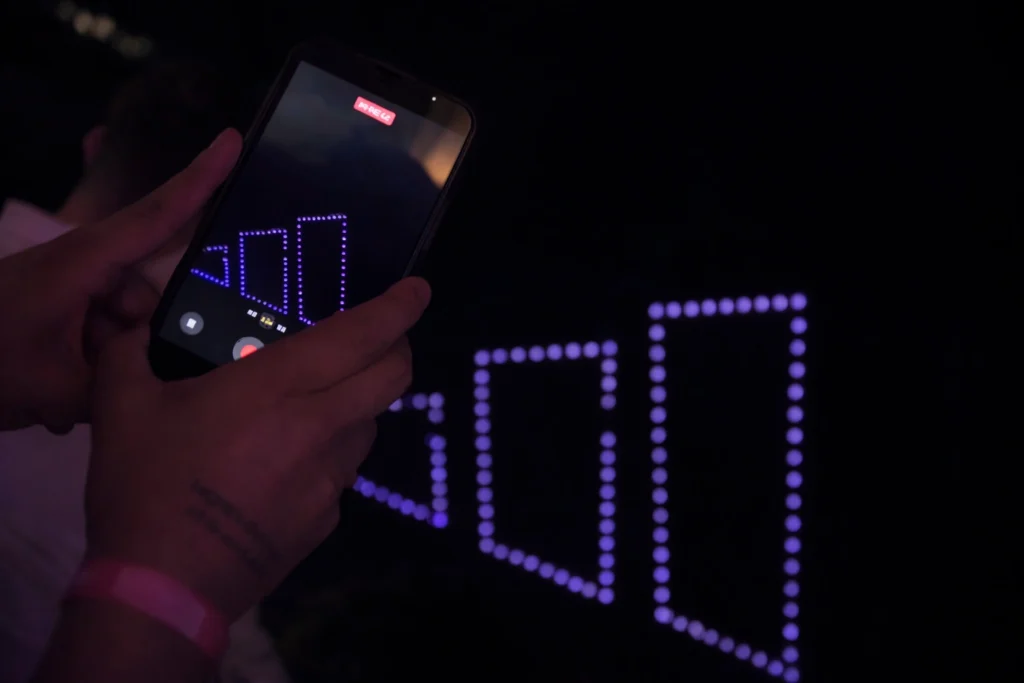
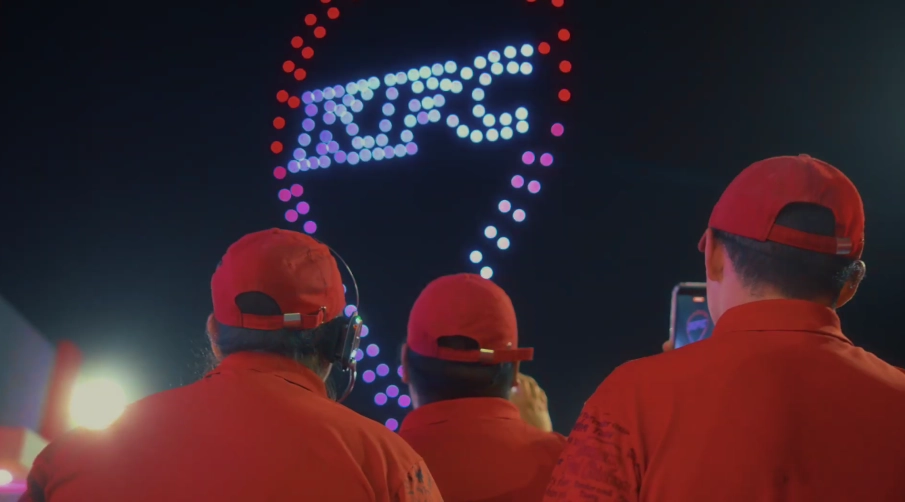
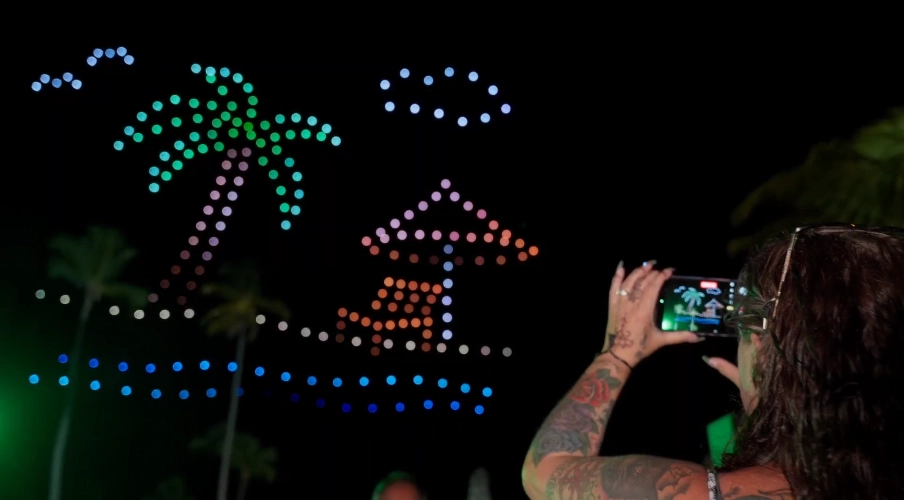
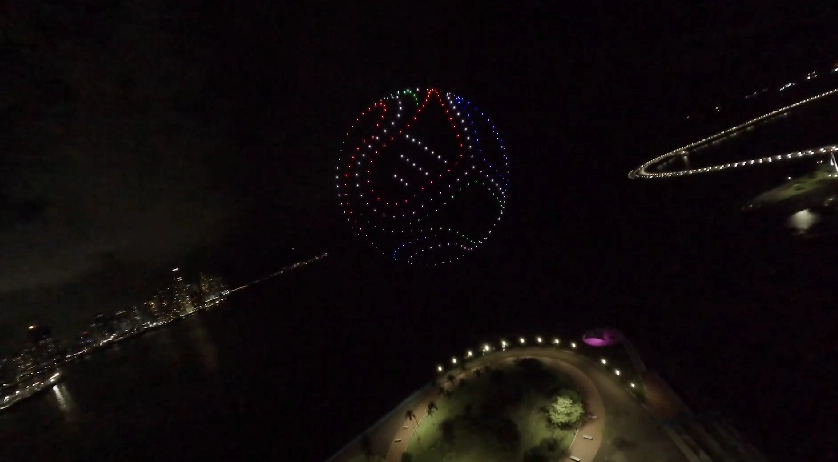
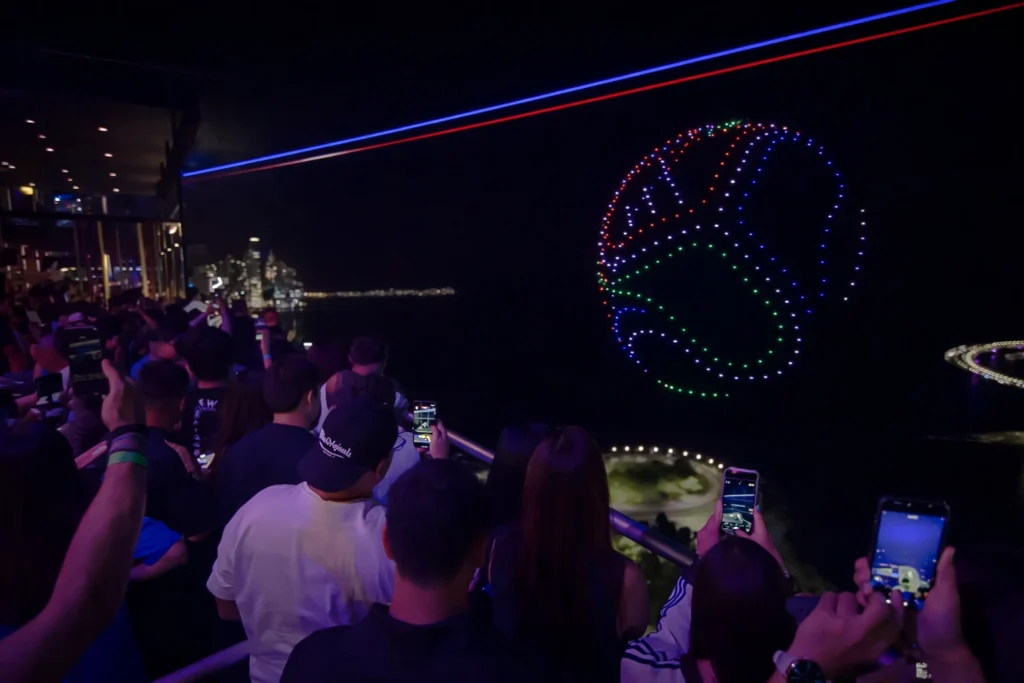
The great advantage of drone swarms is their versatility. While a firework is an ephemeral burst of light, a drone is a pixel on an infinite canvas. For this World Cup, the technological bet is on high-efficiency LED lights that consume a tiny fraction of energy compared to traditional stadium lighting.
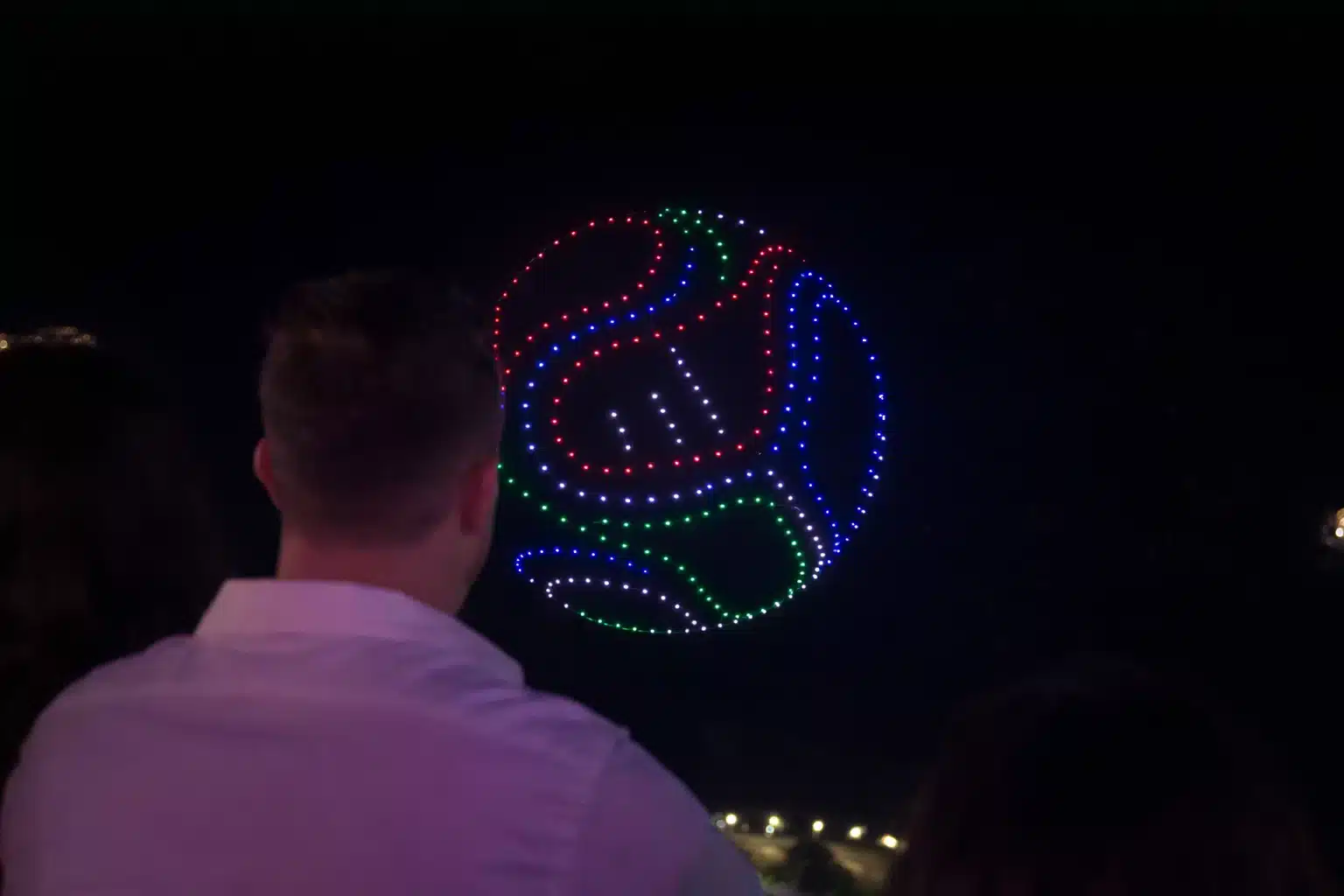
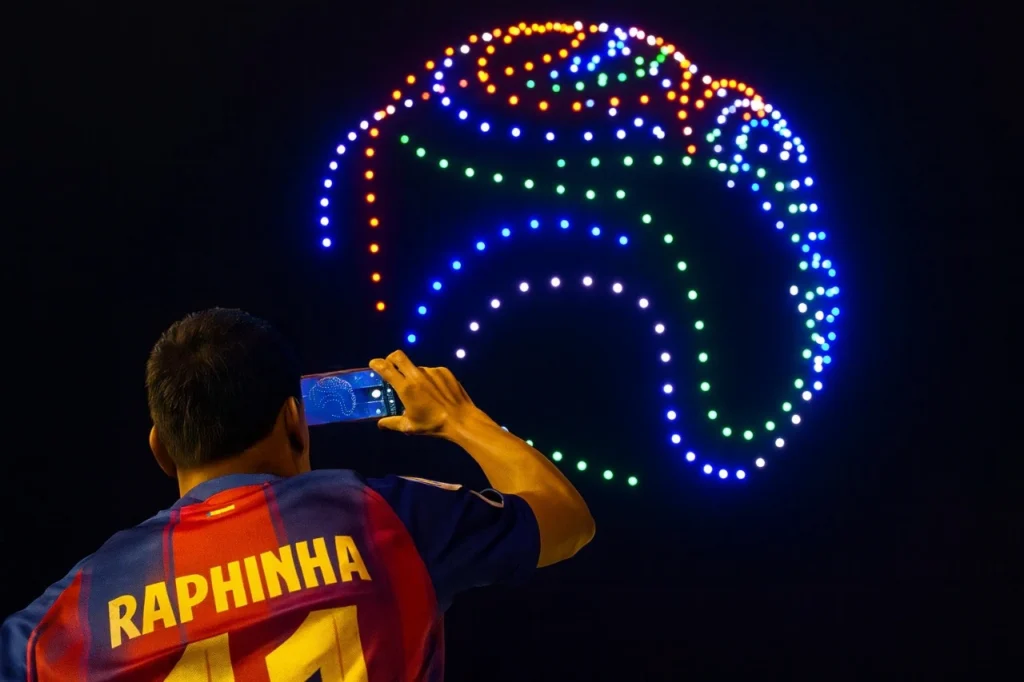
By integrating drones into ceremonies, organizers can create complex visual narratives – such as the map of the three united countries or the evolution of historic footballs – with pinpoint accuracy. This ability to tell stories without generating tons of CO2 is what puts aerial technology at the forefront. Can you imagine an opening ceremony where the sky is a digital cinema with no smoke or chemical residues?
The challenge of batteries and circular logistics
However, talking about a sustainable World Cup 2026 requires honesty. Drones are not magic; they require energy to charge their batteries and logistics to move thousands of units between cities. The real innovation this year lies in the use of mobile charging stations powered by solar energy or green hydrogen in the Fan Zones.
FIFA and its technology partners are implementing what they call “circular logistics”: the drones used in Mexico City are transported in electric vehicles to Monterrey or Guadalajara, optimizing every kilometer traveled. In addition, at the end of the tournament, the components of these drones are designed to be recycled or reused in future commercial fleets. But are the host cities really prepared to manage the energy infrastructure that these swarms require?
Acoustic sustainability: A breath of fresh air for cities
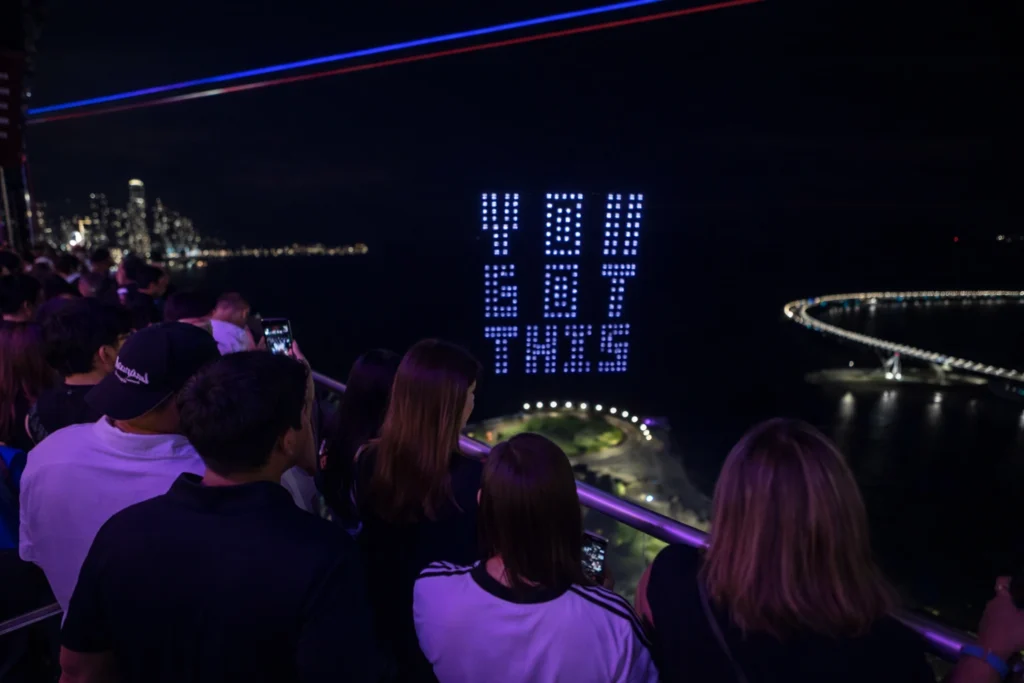
One aspect of the sustainable World Cup 2026 that we tend to forget is noise. Explosions from pyrotechnics easily exceed 150 decibels, wreaking havoc on migratory birds and people with hearing sensitivities. Drones, on the other hand, emit a constant drone that is virtually imperceptible from the ground when at high altitude.
This shift to “silent” entertainment allows shows to be held in dense urban areas without violating local noise pollution regulations. It is a form of respect for the environment that fireworks simply cannot provide. At the end of the day, isn’t respect for the host the basis of any international visit?
A definitive change or a slow transition?
The path to a sustainable World Cup 2026 is set, and drones are the perfect ambassadors of this new era. While nostalgia for gunpowder still lingers, the scales are tipping toward innovation that protects our common home. Technology is no longer just a tool of wonder, but a commitment to future generations of enthusiasts.
Now that you know the real impact behind the lights in the sky, do you think that the absence of the roar will take away from the excitement of the grand final, or are we ready to enjoy soccer that doesn’t cost the planet’s health?